
The Sacrifice by Andrei Tarkovsky
In May 2019 I made an attempt on the Nexus website to introduce the films of the Russian director Andrei Tarkovsky (1932-1986). I presented a list of seven masterpieces he made between 1962 and 1986 and focused then on his film The Mirror of 1975. Last week I had the opportunity to rewatch in good company his final film The Sacrifice, made in 1986.
It is always helpful to see films like The Sacrifice in company. Because this film is not an easy watch with its long clips, its symbolism and its length. It needs more than two eyes and ears to decode its poetic images and its contemplative monologues and dialogues. Shortly after the finishing of this film project in 1986, Tarkovsky died of brain cancer in a Paris hospital at the age of 54. Problems with the Soviet system and its film censorship caused him not to return to Russia after the making of his film Nostalghia in Italy in 1984. He shot The Sacrifice on the Swedish island of Faro, where Ingmar Bergman lived and made many of his films. Tarkovsky used a Swedish crew and Swedish actors. He admired Bergman and the themes and cinematography in this film are reminiscent of Bergman’s work.
The film starts with the camera zooming in on a detail of the unfinished painting of Leonardo da Vinci ”The adoration of the Magi”, accompanied by the aria Erbarme dich from Bach’s St. Matthew Passion. Images to take along when we enter into the movie. Then we meet Alexander, the protagonist in the movie, planting a barren tree and instructing his little, mute son that it needs to be watered every day. Alexander is a former actor who has gathered his family and a few friends to celebrate his birthday. While being together the news announces the imminent threat of a nuclear war and we see images of panic and destruction. It leads Alexander into an existential angst and he turns to God in an earnest prayer: ”…don’t let my children die, nor my friends…I will give Thee all that I have…”
How this redemption will come about and what role Alexander can or needs to play in the unfolding of it, remains ambiguous and open for discussion. Existential agony, need for redemption, spirituality, meaning of sacrifice, role of faith – these are things Tarkovsky asks us to think about in a menacing time and world. It leads us further to an astonishing final act of pain and sacrifice.
As an epilogue, the film ends with the boy watering the tree and the end credits start with a dedication to his son: ”with hope and confidence.”
Rinus Baljeu, Dec 2024
1 Comment
Submit a Comment
You must be logged in to post a comment.
Recent Posts

Exercises in Imagination
The word that stays with me after the closure of our local Gothenburg film festival is imagination. I am once more impressed by the potential of film to stir and exercise the imagination. I have been allowed to think thoughts and explore emotions that I would not have done without the films I’ve watched. The ability to see beyond our currently experienced reality towards new possibilities is so important for our emotional well-being. It energizes, reduces stress and enhances empathy.

My Best Films of 2025 – from Rinus
From 2019 onward I have shared with you my list of the best films of the past year. My list contains the films that I truly care about and have communicated something to me that I continue to carry with me. They have the potential to prompt valuable discussions aligned with our Nexus key ideas. Of course, this list is limited to the ones I managed to see throughout the year. Some of the films I’ve written about during 2025. In my short introductions to each film, I’ve used parts of those longer presentations that you will find in the film section.
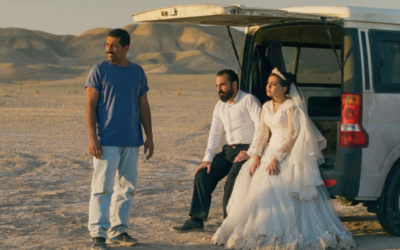
A Courageous Voice – Jafar Panahi
Last week the Iranian director Jafar Panahi was handed a one-year prison sentence, and a travel ban in Iran. He was at that moment in New York to receive prizes for his latest film It Was Just an Accident. He commented that he planned to return. Twice before he has spent time in prison. It was conversations with other political prisoners, telling him about violence and brutality in the prisons of the regime, that inspired him to shoot this film.
Since watching this film recently, it has resurfaced in my mind on occasion. Something that struck me about it was the careful composition of every scene – Tarkovsky presented each person thoughtfully. I found the story to be fascinating, though complex to decipher. It is a very disturbing and a very touching story. It was great to see it with friends, who added insights that helped me interpret the multiple meanings and layers in the storyline. Thanks, Rinus, for putting this one on our horizon!